
Inside Lithuania’s Push to Build Entrepreneurs Before They Graduate
As competition for entry-level jobs intensifies and traditional career paths become less predictable, countries are rethinking how young people prepare for the workforce. In Lithuania, and especially in its capital Vilnius, the answer is emerging earlier than ever: teaching students to think and act like entrepreneurs while they are still in school.
Across Europe, education systems are under pressure to keep pace with rapid technological change. Estonia, for example, is introducing artificial intelligence into classrooms through a nationwide initiative, while organizations like Junior Achievement Europe have already delivered millions of entrepreneurship learning experiences. Lithuania is taking a step further, moving beyond theory and placing students in real startup environments.
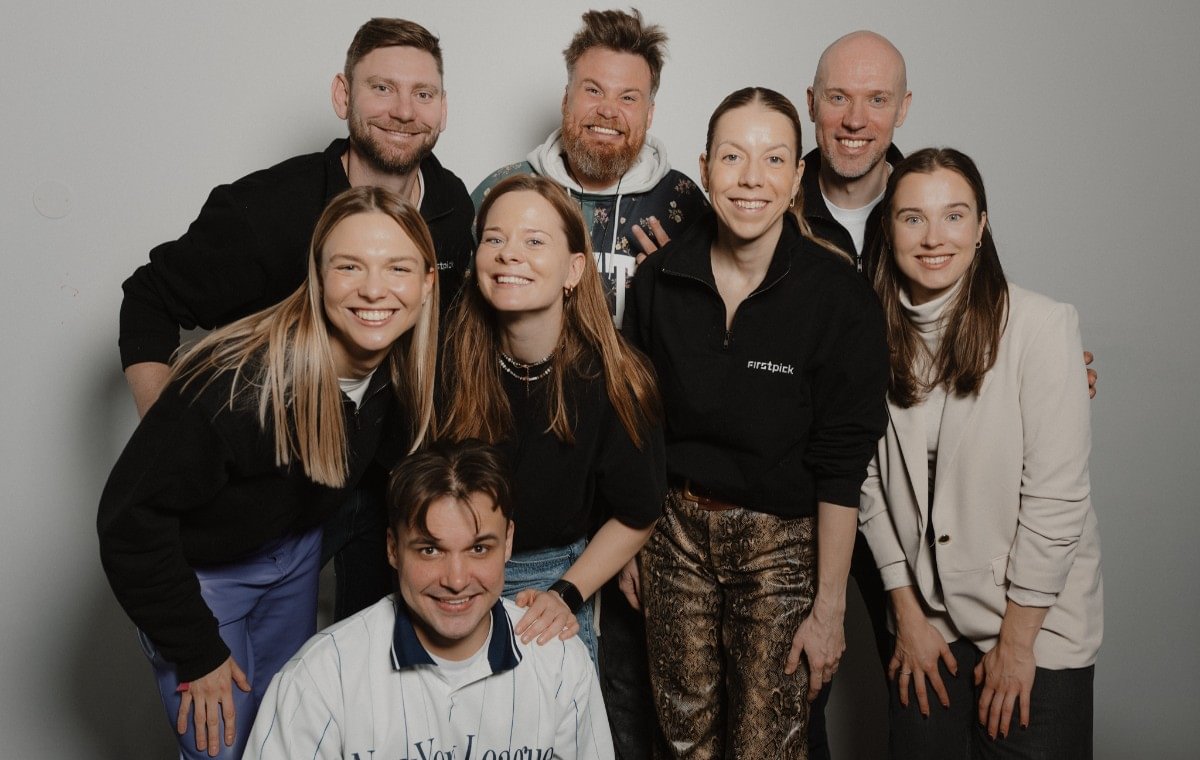
Entrepreneurship at a young age is seen as a strategic investment in future innovations as well. At the center of this shift is MVP (Moksleivių vienaragių paieška, or “Student Unicorn Hunt”), a prime-time national TV show where students aged 14–19 build and pitch real startups. Unlike traditional classroom exercises, participants work under real startup conditions – testing ideas, refining products, and pitching to experienced founders in front of a live audience.
“Students are not just learning – they are building under real pressure. Their ideas are challenged, refined, and tested just like in actual startups,” says Marius Burgaila, a venture builder and an early-stage investor, CEO of Lost Astronaut, and co-creator of MVP. “It’s similar to global formats like Shark Tank, but designed specifically for students.”
Burgaila also points out that Lithuania’s tech and startup ecosystem is mature enough to absorb new founders, but young people need to be exposed to the founder mindset early so that they are far more likely to see building companies as a realistic path.
“For Vilnius, this is part of a broader strategy to deepen its position as a tech hub. The city already attracts talent and investment, but long-term growth depends on creating more builders – people who start companies rather than wait to join them,” the investor maintains.
Lithuania’s startup ecosystem has grown rapidly in recent years, with the number of startups and investment volumes steadily growing – creating a foundation ready to absorb a new generation of founders. As the country rapidly adopts AI, progress depends on builders who can combine technical skills with product thinking, experimentation, and speed.
“Ultimately, the goal is not to turn every student into a founder, but to give every student encouragement to think, try, and take ownership. When education systems create that kind of environment, initiatives like these stop being exceptions and start becoming a natural part of how schools work,” Burgaila adds.
Why universities alone can no longer prepare students for the AI economy
Melita Tornau, Head of Marketing at Turing College, argues that traditional education models are too slow to keep up with AI-driven change.
“The technology changes faster than a university can print a new syllabus. That’s why entrepreneurship, data literacy, and AI skills need to start in school – not after graduation,” she says.
Entrepreneurial and AI initiatives for the younger generation, therefore, become essential for project-based learning, real-world problem-solving, collaboration, and experimentation, making education more dynamic and closer to industry reality.
“The workforce is shifting from a traditional pyramid to what we call a ‘diamond’ – fewer entry-level roles and more demand for adaptable, skilled specialists,” Tornau explains. “Education systems need to reflect that reality.”
With no natural resources to rely on, Lithuania is betting on people instead – aiming to equip up to 90% of its workforce with basic AI skills and half with more advanced capabilities through coordinated national efforts spanning education, employment, and business policy.
If Lithuania succeeds, entrepreneurship and AI literacy will no longer be niche skills, but a standard part of education. And that could redefine how countries prepare young people for the future of work. In Vilnius, that shift is already underway: this September, TechZity will open one of Europe’s largest coworking hubs, uniquely combining it with an International Baccalaureate program – a model that could redefine how countries prepare young people for the future of work.