
Global Smart City Rankings: Vilnius Remains the Only Baltic Capital Sustaining Growth
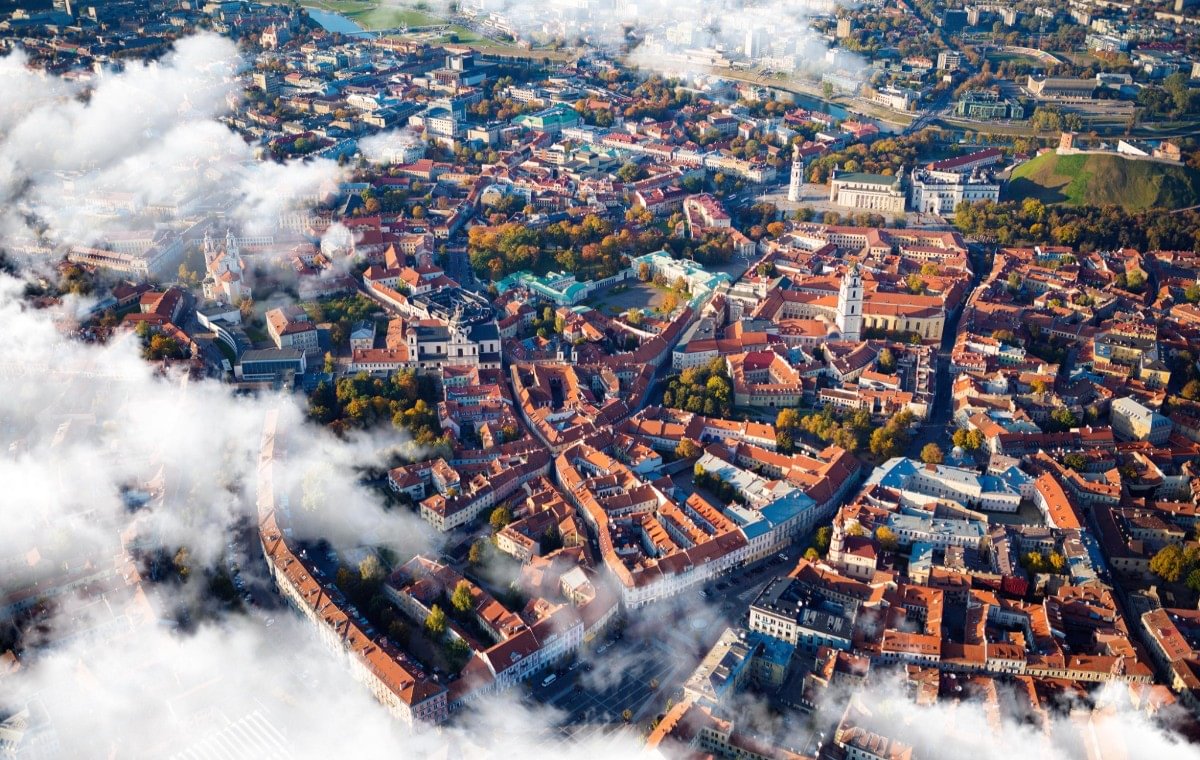
In the latest IMD Smart City Index 2026, Vilnius has climbed to 32nd place among 148 cities worldwide. The Lithuanian capital not only improved its position by two spots, but also stood out as the only Baltic city to demonstrate sustained growth.
According to the Innovation Agency, the most significant leap came last year, when Vilnius rose by as many as 13 positions. This year’s result, however, confirms that the city is successfully maintaining its strong international competitiveness, both in attracting investment and in creating an environment where talent can live and work.
“The Lithuanian capital continues to maintain strong international competitiveness by attracting investment and creating favorable conditions for talent to live and work. Leading cities show that true ‘smartness’ is achieved when public infrastructure and digital solutions evolve hand in hand, responding to the real needs of residents. That is why we are directing our efforts and investments at a national level, because only a strong technology ecosystem will enable our cities to become even smarter,” says Minister of Economy and Innovation Edvinas Grikšas.
Vilnius was the only Baltic city to sustain consistent growth: Tallinn dropped four places to 26th, while Riga slipped one position to 47th.
The top three smartest cities in the world remain unchanged from last year, with Zurich and Oslo leading the ranking, followed by Geneva in third place.
Although Vilnius continues to climb in the rankings, the study highlights an interesting contrast: the city’s infrastructure (healthcare, safety, mobility) is rated more highly (BBB) than its digital solutions (BB).
Simona Buziliauskienė, Head of the Progress Department at the Innovation Agency, notes that Vilnius outperforms the average of its peer cities across several key indicators:
Payment habits: 71.5% of residents prefer digital alternatives to cash.
Quality of life: cultural activities (84.6%) and easily accessible green spaces (78.7%) remain key strengths of the city.
Business environment: strong core technological infrastructure and high internet speeds (79.7%) create excellent conditions for the growth of high value-added sectors.
Despite overall positive progress, residents clearly identify ongoing challenges. Housing affordability remains the primary concern (62.9%). While traffic congestion has eased somewhat, every second resident (50.8%) still considers it a major issue. Additionally, 46.8% expect greater transparency in city governance and stronger community involvement in decision-making.
The secret to a successful city: collaboration
Managing a modern city is a complex process involving multiple stakeholders - ministries, agencies, businesses, and service providers. To become truly smart, a city must align the actions of all these actors.
Examples from top-ranked cities show that success does not come from centralized control, but from the ability to collaborate. Leading cities build shared platforms that allow stakeholders to exchange information, coordinate investments, and pursue common goals—while remaining flexible enough to adapt to innovation.
Source: Innovation Agency