
The Cluster City: Vilnius’ Model for Innovation Clusters
Vilnius is entering 2026 at an unusual moment in its development: large enough to matter, small enough to move quickly, and increasingly deliberate about how growth is organized. Over the past decade, the Lithuanian capital has shifted from cultivating individual startups to assembling something more durable - a set of tightly connected innovation clusters where technology, research, and industry are no longer adjacent by chance, but by design.
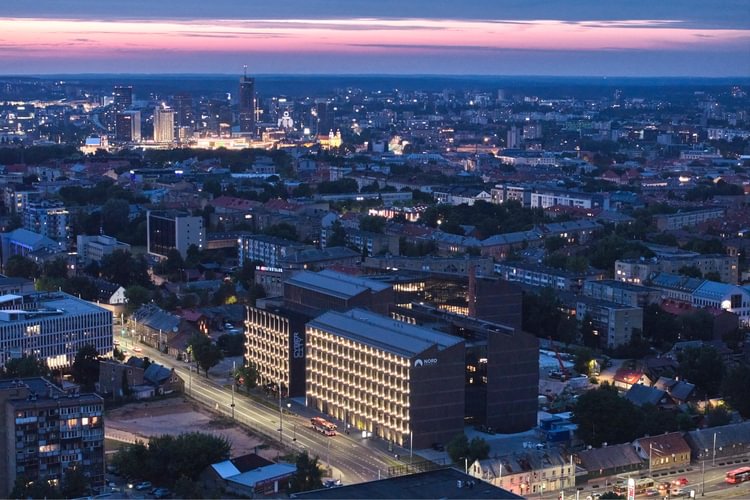
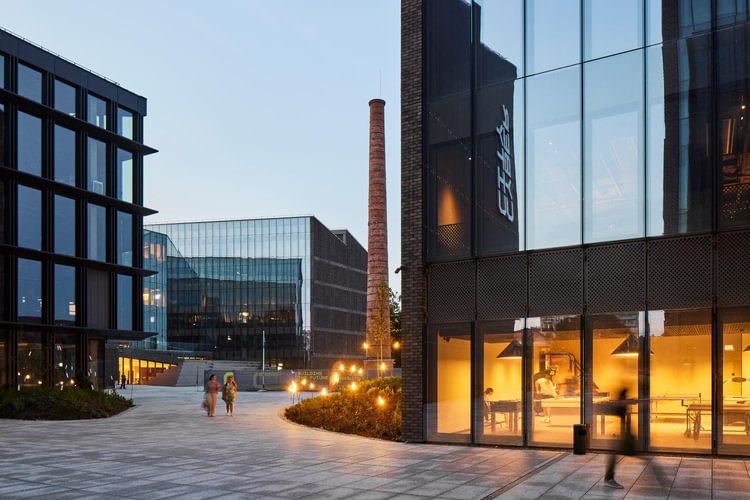
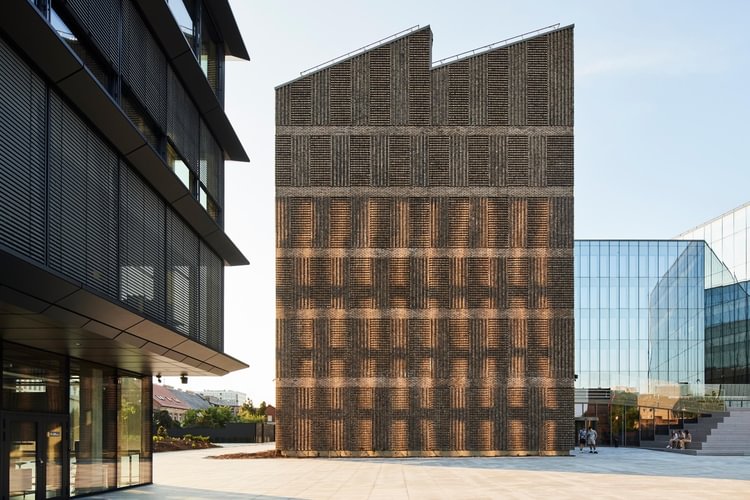
In headline terms, the country’s startup ecosystem is now valued at around €16 billion (approximately $18 billion at 2025 average rates), roughly 39 times what it was a decade ago, with Vilnius accounting for the overwhelming share of that value and capital raised. In the capital alone, the enterprise value of startups has climbed from about €2.5 billion (around $2.8 billion) in 2019 to roughly €12.4 billion (about $14 billion) by 2023, putting a compact city on maps usually reserved for much larger European metros. That trajectory now underpins a more ambitious experiment: whether a small capital can stitch together software, life sciences and advanced manufacturing into a single, functioning cluster economy.
A different kind of hub
At first glance, Vilnius does not conform to the familiar archetype of a technology hub: it is not a megacity, not a financial center, and does not trade on centuries of institutional prestige. What distinguishes it instead is how consciously it has combined ambition with coordination. By 2026, the city is building innovation at scale without losing density or focus – aligning campuses, districts, and sectors into a single system that behaves less like a diffuse startup scene and more like an integrated cluster.
This coordination shows up in the numbers and where activity is physically concentrated. Lithuanian startups have become one of Europe’s fastest-growing ecosystems by value, with Vilnius home to the bulk of the country’s roughly €16 billion (about $18 billion) in startup worth and to all of its unicorns to date. In parallel, the capital sits at the center of a national life‑sciences strategy that aims to double the sector’s contribution to GDP by 2030 from the current level of about 2.7%, signaling that the growth of molecules and MedTech is not a side project but a policy priority. For investors and operators, that combination of market growth and policy direction matters as much as the individual brand names.
Clusters built around real assets
In practical terms, Vilnius is now defined by what is being built on the ground. The Vilnius Innovation District and CyberCity in New Town already host the city’s first two unicorns – Vinted, the second‑hand fashion platform valued at around €5 billion (about $5.6 billion) and active in over a dozen markets, and Nord Security, the cybersecurity company behind NordVPN, valued at more than €1.5 billion (around $1.7 billion) – and serve as anchors for software, cybersecurity and broader digital technology clusters. Together, they concentrate a critical mass of product teams, engineers and operators in one part of the city rather than scattering them across disconnected office parks.
Nearby, Tech Zity is under construction: a 55,000 m² (roughly 592,000 ft²) campus slated to become one of Europe’s largest startup hubs, designed to accommodate thousands of founders, engineers and investors under a single roof. The project is intended not only as additional office space but as a dense environment where early‑stage companies, scale‑ups and international teams can co‑locate, turning what is now a strong startup scene into a more visible, institutional‑grade asset. For a city of Vilnius’ size, the bet is that physical proximity between capital, code and talent will accelerate the kind of cross‑pollination that usually takes longer to emerge.
The life‑sciences side is consolidating just as deliberately. In North Town, BioCity is emerging as one of Europe’s largest biotech campuses, bringing together more than 4,000 m² (about 43,000 ft²) of labs and research facilities and focusing on biotechnology, molecular medicine and translational research. Rather than being a single building, it is conceived as an ecosystem that can host early‑stage biotech ventures, applied research teams and clinical collaborators in the same urban area. This sits on top of a national base where Lithuania has one of the highest rates of STEM graduates in Europe, with a particularly strong pipeline in biotechnology and biomedical sciences feeding Vilnius’ labs and spin‑outs. Lithuania also leads the EU in female participation in science and technology roles, with women now making up about 52% of STEM professionals, an unusually balanced talent pool for a sector still male‑dominated elsewhere.
Industrial‑scale investment is keeping pace and is central to the cluster story. Electronics and IoT manufacturer Teltonika has committed around €320 million (about $360 million) to four new factories in Vilnius as part of the first phase of its High‑Tech Hill industrial park, an integrated complex that will eventually host around ten industrial and administrative buildings on a 55‑hectare (about 136‑acre) site. The new plants – covering printed circuit boards, plastics and mechanical components, electronics assembly and other components – are expected to help create between 5,000 and 6,000 jobs in the city and to triple the company’s production capacity from roughly 10 million to about 30 million devices per year. For Vilnius, that means the cluster logic does not stop at software and research; it runs through to large‑scale, export‑oriented production.
Talent as infrastructure
Talent is one of the main reasons Vilnius can sustain clustered growth. Lithuania has one of the highest shares of STEM graduates in the EU and a national life‑sciences strategy that aims to double the sector’s contribution to GDP by 2030, giving the capital a deep, policy‑backed pool of engineers and scientists. Combined with an EU‑leading share of women in science and technology roles, this leaves Vilnius’ clusters drawing on a broad, specialized and unusually balanced labor pool rather than competing over a thin layer of senior talent.
From projects to a self‑reinforcing system
What ultimately sets Vilnius apart is less the headline projects themselves than the way they interlock. Together, these districts are beginning to function as a self‑reinforcing cluster economy, where startups, research institutions and industrial firms operate in closer proximity and with clearer pathways from idea to pilot to manufacture.
The experiment is still in motion and not without pressure points – from competition for senior technical talent to the challenge of integrating disparate sectors into one ecosystem – but the direction of travel is clear. A decade of compounding startup growth, a pipeline of biotech and AI talent, and industrial investments measured in the hundreds of millions of euros now sit on top of each other in a city compact enough that they still feel connected, making Vilnius in 2026 an early test case for the next generation of cluster cities.