
“Never Ordinary”: Vilnius Puts Human Scale at Centre of its Global Growth Story
Vilnius is proving that a city does not need to be big to deliver big-city opportunities. Its new international positioning puts the advantages of its human scale at the centre of its global ambitions.
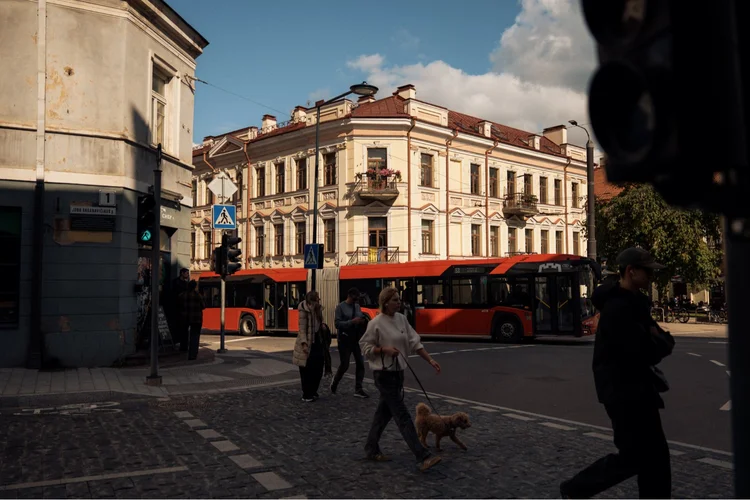
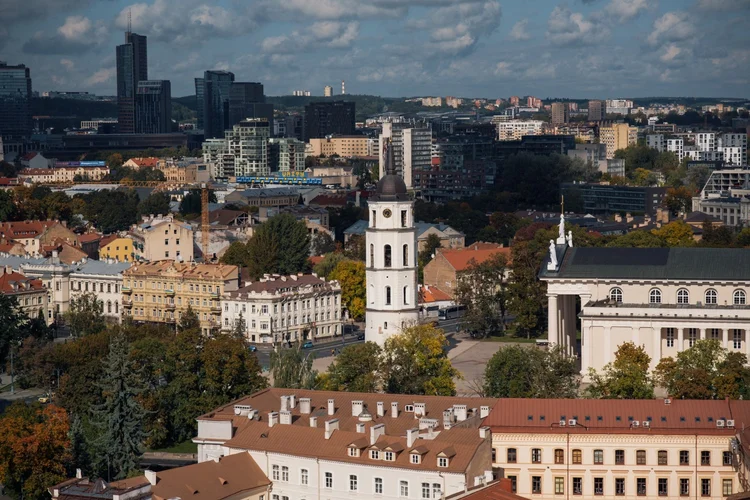
Europe’s biggest capitals London, Berlin, and Paris are struggling with the pressures of scale – from heavy traffic and longer journeys to more friction and increasing pressure on housing.
Against this backdrop, Vilnius, Lithuania’s capital, is introducing a new international positioning strategy centred on its human scale, under the slogan “Vilnius: Never Ordinary.” Rather than rivaling with other European cities in size, Vilnius is highlighting how its human scale makes it easier to achieve extraordinary things.
“Vilnius does not need to compete with Europe's biggest capitals by trying to look like them. Our strength lies in a different way of doing things: shorter distances, closer connections, faster decision making, and easier accessibility. Through the new positioning, we want to clearly show why this matters to people and organisations deciding where to invest, build a career, host international meetings or travel,” says Dovilė Aleksandravičienė, CEO of Go Vilnius, the official business and tourism development agency of the city.
Never-ordinary features of Vilnius:
Wealthiest city in the Baltics. Vilnius combines a growing economy with the accessibility of a compact European capital. As the city’s population is growing, its economic indicators have been moving in the same direction. The average gross monthly salary in Vilnius City Municipality reached €2,963 in the second quarter of 2026, up from €2,715 a year earlier.
Global tech, human scale. Six unicorns, tech startups valued at above $1 billion, have emerged from a city of just over 600,000 people, including global names such as Vinted and Nord Security. Around 650 technology companies now employ more than 20,000 people in Vilnius, providing concentrated opportunities. Vilnius’s agile ecosystem brings international talent and high-growth businesses together with fewer layers of bureaucracy than much larger markets. For investors, a new international positioning strategy translates into an environment where global technology companies can grow and expand across Europe.
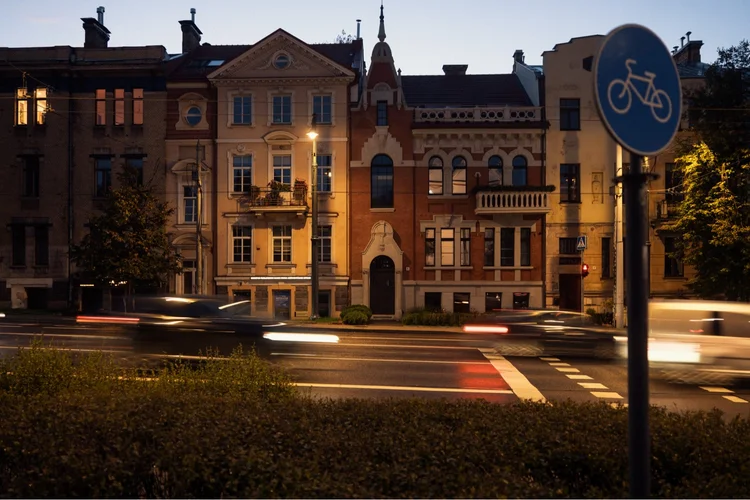
A capital that stays green and connected. Vilnius offers the cultural, creative, and professional opportunities of a capital while remaining remarkably easy to navigate. With 61% of the city covered by greenery, 177 km of cycling paths, and more than 300 low-emission buses, getting from one part of the city to another does not have to mean sacrificing time or quality of life. In 2026, Vilnius was ranked the world’s second-greenest city by the HUGSI index, reinforcing an environment where international talent can build a career while staying close to nature, culture, and everyday life.
The new positioning applies the same “Vilnius: Never Ordinary” idea for travelers - the city combines culture, gastronomy, history, and nature in one compact destination. It offers a rich, authentic experience without the scale and crowds of Europe’s biggest tourist spots, describing itself as Europe's most rewarding city break.
For meeting and event planners, Vilnius means less friction in planning and more of the city as part of the event. Short distances, accessible partners and a closely connected local ecosystem make events easier to organise – and easier to take beyond the conference venue. Networking can move into the city, social events are never far away, and delegates have more opportunities to discover Vilnius between programme sessions. The result is a stronger connection with the destination, more memorable moments for delegates and an impact that lasts beyond the conference itself. In 2025, international conferences generated an estimated €100 million in economic value for Vilnius.
Andrius Kubilius, head of the Michelin-starred restaurant Deep Roots, who took part in shaping the city's new positioning alongside other members of Vilnius's business, hospitality and cultural communities, links what makes Vilnius distinctive to the ability to see the ordinary in a new light.
"An extraordinary result doesn't necessarily start with a rare or far-flung ingredient. Sometimes it starts with a potato – when you look at something ordinary differently, you can create more than anyone expects from it. To me, that's a very precise metaphor for Vilnius," says Kubilius, who, at the event unveiling the new positioning on September 29, demonstrated how simple things in Vilnius are transformed into haute cuisine.