
From Iron Curtain to International City – Lithuanian Capital Celebrates Foreign-Born Residents at Vilnius Is My City Awards
Vilnius put its foreign-born community at the center of a city-wide celebration this weekend, with hundreds of people gathering around a 100-meter table for a lunch. The first-ever Vilnius Is My City Awards honoured foreign residents and organizations for the positive impact they are making on the capital.
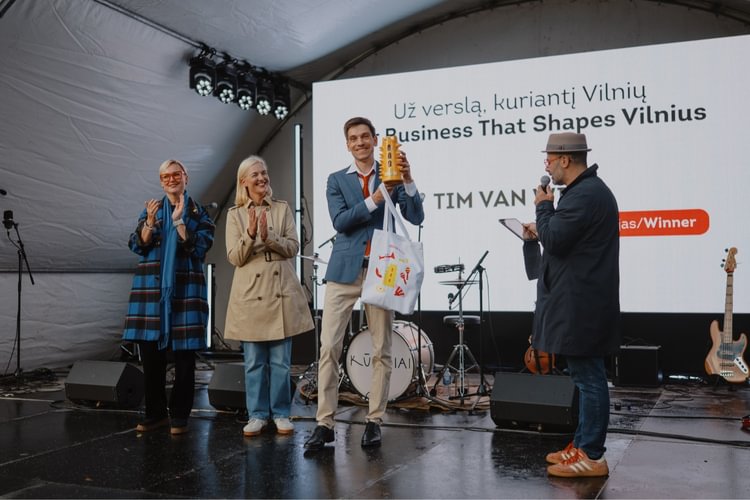
This weekend, hundreds of people gathered around one table in Vilnius to celebrate foreign residents helping shape the city. The 100-meter table was part of the first-ever Vilnius Is My City Awards, where four peer-nominated individuals and organizations were recognized out of a 12-strong shortlist.
This acknowledgement stands out at a time when international mobility is not universally welcomed. The latest European Parliament research found that nearly three in ten EU citizens have a negative feeling about immigration from other member states.
The evening brought thousands of people to the fifth annual Vilnius Is My City Festival in Bernardinai Garden. Over the course of the celebration, foreign residents and Lithuanians shared food and stories from around the world, with Uzbek plov, German pretzels, Turkish coffee and Italian gelato among the flavors on the table.
“Vilnius has always been shaped by people who chose to make it their home – from the merchants invited here by Grand Duke Gediminas in the 14th century to the international community building their lives here now,” says Indrė Laučienė, Head of Foreign Talent Department at Go Vilnius. “Today, more than one in ten Vilnius residents is foreign-born. For a city that spent much of the 20th century behind the Iron Curtain, when people could not freely travel in or out, this is a remarkable transformation.”
The occasion was organized by International House Vilnius, a free service centre that helps internationals relocate to and settle into life in Vilnius, run by Go Vilnius. Residents and organisations were honoured across business, culture, gastronomy and Vilnius’ international outreach, celebrating the people who help to make the capital more vibrant, connected and globally visible.
“Since moving to Vilnius in 2003, I’ve never felt like an outsider. Vilnius was born as a multicultural city, and that spirit is still alive – we are all Vilnians, even if we come from somewhere else,” says Francesco di Marco, a winner of the Vilnius Flavor award. “What I love is how much life fits into this small capital: forests and rivers are close, and on any evening you can go from black metal to classical or electronic music events with ease. Everything is within reach.”
The four awards went to people and organisations making their mark on Vilnius in very different ways. Tim van Wijk, founder of disability inclusive social restaurant Pirmas Blynas (First Pancake in English), was recognised for creating real employment opportunities for people with disabilities. SPEAK Lithuania was honoured for bringing locals and international residents together through free language lessons and community events.
Francesco di Marco, a Sicilian-born sommelier, was recognised for helping shape Vilnius’ gastronomic scene and connect its food community with Europe. Alessandro Sposato, who has called Vilnius home for more than 15 years, received the Vilnius Ambassador award for sharing Lithuanian life and culture with Italian audiences and building bridges between the two countries.
Today, 78,000 foreign-born residents from 154 countries are building their careers and families in Vilnius, with the international community growing by 4.4% over the past year. The number of registered UK residents in Vilnius has grown by 11%, while the US community has increased by 6.5% to 1,107.
“People come to Vilnius for different reasons, but they are rarely just looking for a change of scenery. Our 2025 research shows that 34% move here to study, 28% for work and almost one in five for family, and many see the city as a place where they can build a career and enjoy a good quality of life. Vilnius offers that combination at a cost that remains relatively affordable compared with many Western European capitals – living costs including rent in London, for example, are currently 110% higher than in Vilnius,” said Indrė Laučienė.